Overview
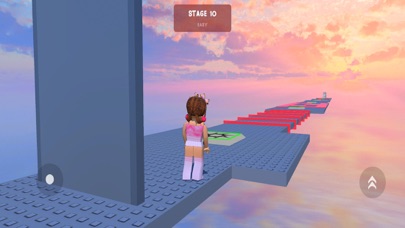
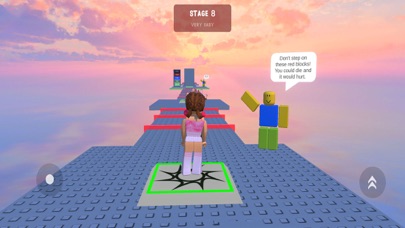
Roblox stands as a pioneering digital entertainment platform that redefines user interaction within virtual spaces and through user-generated content. Launched in 2006, it has evolved into a vast metaverse where creativity and social interaction are paramount. Unlike many traditional gaming platforms, Roblox empowers a global community not only to experience a diverse array of virtual worlds but also to design, build, and share their own digital creations, fostering a unique ecosystem of continuous innovation. This approach has solidified its position as a significant cultural phenomenon in digital entertainment.
At its core, Roblox democratizes game development through Roblox Studio, a comprehensive suite of tools accessible to creators of all skill levels. This open architecture ensures a perpetual influx of fresh, user-created games, spanning from intricate adventure games and immersive simulations to competitive challenges and elaborate role-playing scenarios. The platform attracts hundreds of millions of monthly active users, facilitating countless hours of exploration, building, and social connection. It bridges the gap between playing and creating, offering a distinct digital space where creativity, problem-solving, and collaboration are actively encouraged.
Roblox's sustained growth underscores its status as a pivotal platform in the evolution of interactive entertainment, emphasizing a community-driven model where users are both consumers and creators. The platform’s ability to constantly refresh its game content through user contributions ensures a dynamic and ever-expanding virtual environment, making it a unique contender in the online gaming and social interaction sectors.
Key Features
- User-Created Games and Experiences: Provides access to an extensive library of games, simulations, and virtual worlds designed and published by its global community, ensuring continuous novelty and unparalleled variety in gameplay.
- Social Features: Facilitates extensive interaction among users through real-time chat, group participation, and shared experiences within various games, cultivating a vibrant online community.
- Avatar Customization: Allows users to craft a unique digital identity with an extensive selection of clothing, accessories, body parts, and animations, enabling deep self-expression and personalization across the platform.
- Development Tools (Roblox Studio): Offers a powerful yet intuitive suite of development tools, Roblox Studio, enabling creators to build and publish their own games and virtual environments directly on the platform.
- Virtual Economy (Robux): Features an in-app currency, Robux, used for purchasing avatar items, game passes, and developer products, which drives the platform's creation economy and creator monetization.
How It Works
Upon launching the Roblox application, users are greeted with a personalized home screen that highlights popular and recommended experiences. A common initial step involves designing a unique digital avatar, which serves as a consistent identity across all platform interactions. The navigation interface is designed to be intuitive, enabling users to browse games by genre, popularity, or specific developer, as well as to search for particular titles directly.
Selecting an experience seamlessly loads the user into the chosen virtual world, which has been crafted by another community member. Interaction within these diverse games varies significantly based on the creator's design but commonly involves manipulating the avatar, interacting with in-game objects, and communicating with other players through integrated chat functions. Users can also join groups and add friends to enhance their social interactions and shared gameplay experiences within the Roblox metaverse, fostering community engagement.
Who It's For
Roblox is primarily designed for a broad audience comprising children, teenagers, and young adults interested in gaming, virtual world exploration, and creative expression. It excels as a platform for those who desire both consuming user-generated content and actively participating in its creation. Individuals looking for a social online environment to connect with friends and collaborate on projects will find significant value here.
Conversely, users seeking highly polished, graphically intensive, single-player narrative-driven games may find Roblox's diverse, often rudimentary, user-generated content less appealing. It may also not be ideal for those who prefer gaming without social interaction or an emphasis on user-driven creation.
Pros and Cons
Pros:
- Vast library of diverse, user-generated games and experiences
- Strong community focus facilitating social interaction and collaboration
- Empowers users to create and monetize their own games
- High degree of avatar customization for personal expression
Cons:
- Content quality can vary significantly due to user-generated nature
- In-app purchases (Robux) are central to the economy
- Can experience performance issues on older or less powerful devices